Building A Shopping List

Case Study: Collaborative Shopping List App – Collab Lab Project
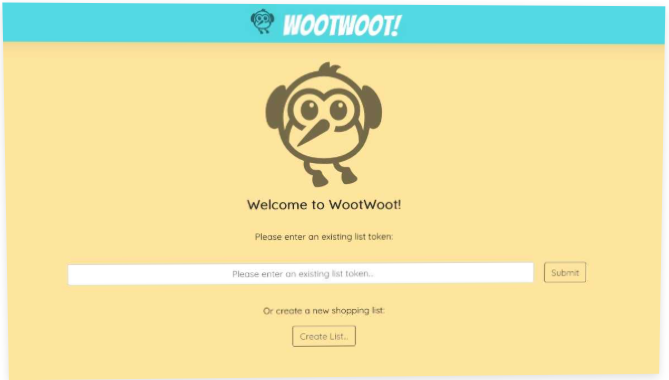
For our Collab Lab project, our team of four collaborated to design and build a mobile-friendly shopping list application that enables users to create, update, and share dynamic shopping lists in real time. The primary goal was to provide a simple yet reliable tool that multiple users could interact with simultaneously — ideal for families, roommates, or friends coordinating shared errands. Throughout the project, we applied agile collaboration practices, leveraged GitHub for version control, and prioritized iterative development to continually refine our product.
At the outset, our group established clear roles and expectations to ensure balanced contributions. We began with a series of planning sessions where we defined user stories, crafted wireframes, and outlined the core features of the app: creating items, editing quantities and details, marking items as complete, and enabling synchronization across devices. Using project boards and issue tracking in the Collab Lab GitHub repository, we broke tasks into manageable chunks and held weekly check-ins to monitor progress and address blockers. This structure helped us maintain focus and communicate transparently, even when re-prioritizing work based on user feedback.
From a technical perspective, our team utilized modern web technologies to build a responsive front end and a persistent backend service that stored shared list data. We implemented real-time updates using collaborative database features, ensuring that any changes made by one user were reflected instantly for all others. Each member contributed to both UI design and functional implementation, fostering shared ownership of the codebase. Code reviews and pull requests became essential practices — they improved code quality, encouraged knowledge transfer, and strengthened our ability to work together effectively.
In the final phase of the project, we conducted usability tests with peers and iterated on the interface to increase clarity and ease of use. We also reflected on our workflow, identifying insights about effective team communication and distributed development. The finished application demonstrates not only our ability to produce a functional, user-centered tool but also our growth as collaborative developers. This project gave us practical experience in working as a cohesive unit, adapting to challenges, and delivering a polished, real-world web application.